



The fate of and opportunities open to the Eastern-Central European region were determined by the system of spheres of interest based on the 1945 European status quo. This lasted until the collapse of communist regimes in 1989-1990. After World War 11 a bi-polar world system was formed and led by two superpowers: the United States and the Soviet Union. The inviolability of the borders of spheres of interest was recognized, acknowledged and considered a turning point in the EastWest relationship by both countries. As a result, "letting the satellite countries go" never occurred to the Soviet side against the expectations of the Eastern European peoples, although the international climate was relatively mild between 1953-56. At the same time neither the United States, nor other Western countries had any intention of freeing the countries of the region even if their propaganda spread just the opposite message.
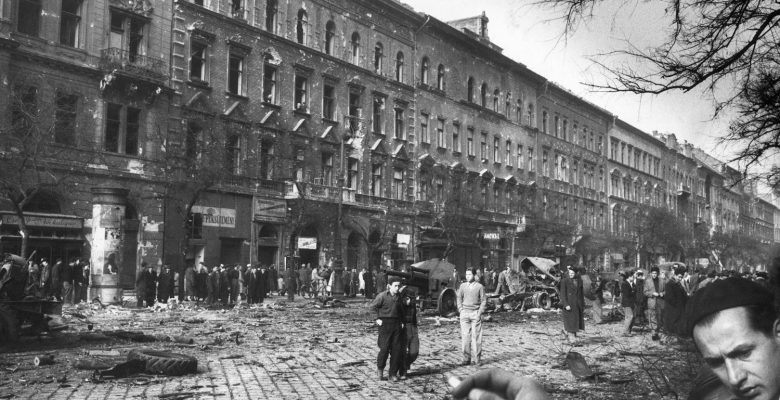
The uprising in Hungary was not in the interest of the Great Western Powers; on the contrary, it was positively unpleasant for them as the events in Budapest disturbed and set back the thaw in relations.
 Mondák
 Vicc
Vicc Költő / Író
 Népdal